1. Safety talk
The team explains how to avoid sticks, what to do if someone is exposed and who should stay out of the area.
Wyoming, OH · Hamilton County
Worried about what is hiding in drawers, bags or a vacant building in Wyoming? Call (877) 812-4220. Crews check the whole space, collect sharps with tools and clean up afterward.
If anyone is in danger, call 911 first. For a suicide crisis, call or text 988.
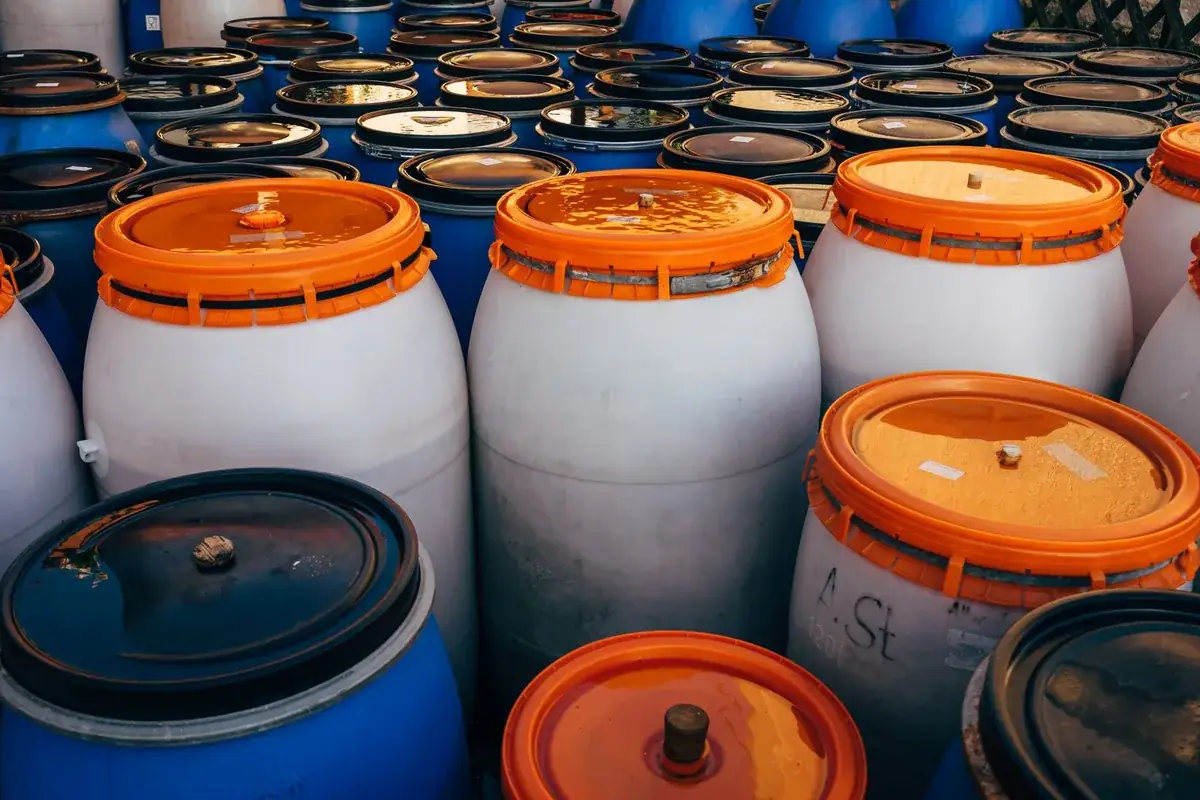
Needle and syringe pickup is a form of biohazard cleanup aimed at sharps. Protective equipment, special containers and proper disposal are part of every job.
With help from Wyoming Biohazard Cleanup Help, you get a local team in Wyoming that knows sharps must never be touched barehanded. Crews contain the hazard, haul it away and clean the space across Hamilton County.
With roughly 41% of Hamilton County households renting, turnover is common and units are checked between tenants. If anyone is stuck by a needle, the nearest emergency room is The Jewish Hospital-mercy Health in Cincinnati, about 5 miles from Wyoming. Call 911 in an emergency.
A typical needle & sharps cleanup job includes:
The team explains how to avoid sticks, what to do if someone is exposed and who should stay out of the area.
The team moves in a set pattern so no section is skipped, since a single missed needle is still a hazard.
Needles, syringes and any other sharps are gathered and sealed as they are found.
Containers go to a facility that treats medical waste, and the owner can ask for a record of what was found.
The cost of needle & sharps cleanup in Wyoming, OH depends on the amount of material, how it is packed and how it is hauled.
Disposal as regulated medical waste is part of the work, and treatment facilities charge by container or weight.
| Type of job | Typical range |
|---|
Published ranges only (); every needle & sharps cleanup job in Wyoming is priced after an on-site look. Price drivers include number of items, where they are found, whether a sweep of a large area is needed, waste disposal. Questions? Call (877) 812-4220.
The crew cleans and disinfects surfaces where sharps lay, bags soiled items for disposal and checks the area again. If odor or residue is present, the team can address it or suggest the next step.
Safer options exist. Many cities and health departments have programs for found needles and may give instructions or send someone. If you are unsure, do not touch it. Leaving a needle in place and keeping others away is safer than risking a stick.
No. Crews focus on safety and cleanup, not on why the needles are there. The team asks only what it needs to plan the work, and you decide what else to share.
They can be tucked into couch cushions, mattress seams, drawers, vents and ceiling tiles. That is why a sharps sweep covers more than the floor. Crews check hidden spots with tools and light before declaring a room clear.
In many cases the person who calls does not need to be at the property. Ask the team how access and keys can be arranged. Many teams can also arrive in an unmarked vehicle, so ask about that if privacy matters to you.
Loose needles should not go in household trash, because they can stab sanitation workers. Rules for small amounts of household sharps vary by city and county. The local health department can say what is allowed, and a cleanup team can take larger amounts.
Describe what you saw and where, and the team will explain the next step.
Call (877) 812-4220